
Caregiver
Archetype
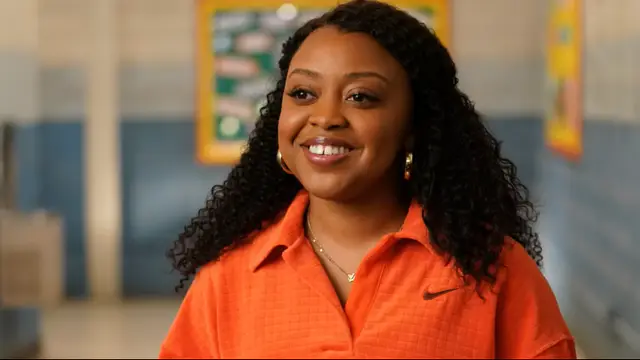
“I don’t want to wait until somebody gets to it. You know, our children have needs that deserve to be met. And I’m going to fix this. And nothing is going to get in my way.”
—Janine Teagues
Abbott Elementary (2021–2026)
Caregiver Characters
Archetypal caregivers assume responsibility for the well-being of others, usually those who are not fully capable of taking care of themselves. Caregivers often provide food and other basic necessities. They also offer encouragement and emotional support. Caregivers symbolize benevolence, altruism, and compassion.
The caregiver archetype often takes the form of parents raising children or dutiful people taking care of friends or relatives in need. The archetype is also commonly seen in doctors, nurses, therapists, and primary school teachers. Caregivers are typically kind, generous, and empathic. They take pride in seeing their beneficiaries doing well thanks to their support. Generally, caregivers maintain cozy homes for their kin or well-functioning workplaces for their colleagues or clients.
Prominent Examples
- Sue Ellen Crandell in Don’t Tell Mom the Babysitter’s Dead (1991)
- Samwise Gamgee in The Lord of the Rings films (2001, 2002, 2003)
- Nani in Lilo & Stitch (2002)
- Ma in Room (2015)
- Logan (Wolverine) in Logan (2016)
- Grace Meacham in Pete’s Dragon (2016)
- Marion McPherson in Lady Bird (2017)
- Janine Teagues in Abbott Elementary (2021–2026)
- Liz in The Whale (2022)
Definition
The caregiver archetype is rooted in a nurturing and compassionate orientation toward vulnerable individuals (usually relatives, friends, and neighbors). It reflects a sense of responsibility for supporting and protecting children and others in need.
Dramatic Dimensions
Archetypes are fluid orientations, not rigid types. These are common tendencies and associations—they may or may not apply in any particular case.
Narrative Roles
Motivations
Virtues
Vices
Perceptual Frames
Growth Opportunities
Taxonomy
Mother Variants
The caregiver archetype is a variant of the broader mother archetype.
Other variants of the mother archetype:
Pairing
- Child: Archetypal child figures are often the targets of caregivers’ compassion and generosity.
- Father: Caregivers tend to see archetypal fathers as cold and lacking mercy.
- Hero: Caregivers may help archetypal heroes in some situations and resent their individualistic tendencies in others.
- Maiden: Archetypal maidens may welcome or resist support from caregivers depending on the situation.
See the whole taxonomy on the archetypes overview page.
Learn more
Volume 2 of The Writer’s Guide to Archetypes: Elemental Dynamics of Character and Drama will feature a deep exploration of the
Caregiver
archetype. It’s expected to be available in 2029.
Join the mailing list to stay up to date on the publication date and get discounts and previews.