
Queen
Archetype
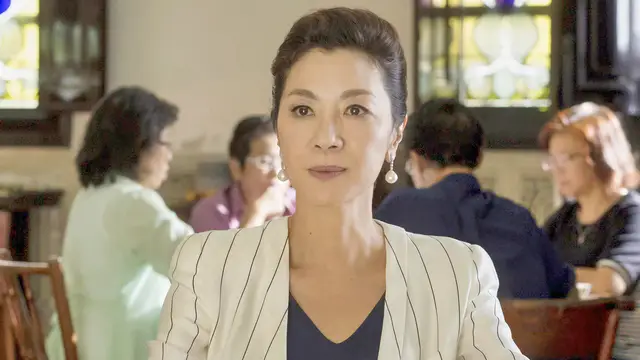
“We understand how to build things that last, something you know nothing about.”
—Eleanor Young
Crazy Rich Asians (2018)
Queen Characters
The queen archetype manifests in characters who lead organizations or manage groups of people, making executive decisions on behalf of all members. Typically, queens are seen administering collective resources and managing disagreements and disputes among their subordinates.
The primary concern of queen figures is the well-being and resilience of the groups they head. They promote cohesion, cooperation, and a sense of shared identity. While they may care deeply for their people as individuals, they focus on the collective. In many cases, a queen has to request or demand sacrifices from certain people for the benefit of others or the integrity of the group.
The queen archetype can be found in family elders, tribal chieftains, religious leaders, community organizers, and corporate managers. It can also be seen in magistrates, politicians, mob bosses, and warlords. While many queen characters occupy positions of authority, they typically see formal levers of power as a last resort. Instead, they rely on persuasion, politics, and social capital to achieve their goals.
Prominent Examples
- Don Vito Corleone in The Godfather (1972)
- Sheryl Hoover in Little Miss Sunshine (2006)
- Malory Archer in Archer (2009–2023)
- Nucky Thompson in Boardwalk Empire (2010–2014)
- Tywin Lannister in Game of Thrones (2011–2019)
- Queen Victoria in Victoria (2016–2019)
- Eleanor Young in Crazy Rich Asians (2018)
Definition
The queen archetype arises from an orientation of responsibility toward collective well-being (of a particular group of people). It draws attention to the complex social systems that people rely on and the need to manage collective resources for the benefit of the group as a whole.
Dramatic Dimensions
Archetypes are fluid orientations, not rigid types. These are common tendencies and associations—they may or may not apply in any particular case.
Narrative Roles
Motivations
Virtues
Vices
Perceptual Frames
Growth Opportunities
Taxonomy
Mother Variants
The queen archetype is a variant of the broader mother archetype.
Other variants of the mother archetype:
See the whole taxonomy on the archetypes overview page.
Learn more
Volume 2 of The Writer’s Guide to Archetypes: Elemental Dynamics of Character and Drama will feature a deep exploration of the
Queen
archetype. It’s expected to be available in 2029.
Join the mailing list to stay up to date on the publication date and get discounts and previews.