
Dragon
Archetype
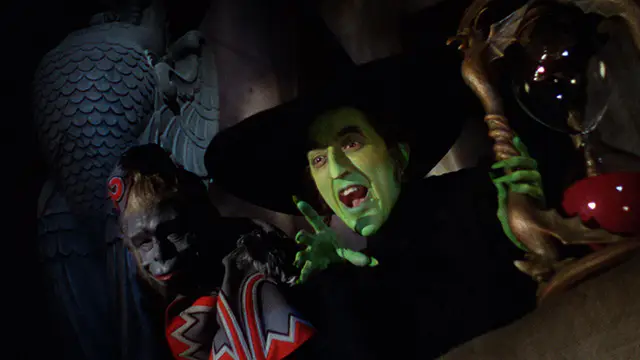
“Curses, curses! Somebody always helps that girl. Shoes or no shoes. I’m still great enough to conquer her. And woe to those who try to stop me!”
—The Wicked Witch of the West
The Wizard of Oz (1939)
Dragon Characters
Archetypal dragons are powerful, ruthless, and violent figures. As the label implies, some are fearsome beasts, whether fantastical creatures, like literal dragons, or real apex predators, like tigers, bears, or sharks. Other archetypal dragons are humans consumed by resentment and rage.
When the dragon archetype manifests in animals and monsters, it reflects the brutal reality that violence is omnipresent in nature. These dragons are typically motivated by hunger, territoriality, self-preservation, and the protection of their kin.
When human characters play the dragon role, they’re typically motivated by hatred and wrath born of real or perceived grievances. Some are generally malevolent or easily provoked to rage. They lash out with spectacular cruelty. Others are methodical in their malice. They orchestrate the ruin of their enemies through elaborate schemes and savor the suffering they inflict.
In every case, archetypal dragons are relentless and merciless. There is no reasoning with them. And they won’t hesitate to harm anyone who gets in their way.
Dragons often represent fear, danger, death, or the terrible power of nature. In other cases, they represent the human capacity for unbridled fury.
Prominent Examples
- Medea in Medea by Euripides
- The Wicked Witch of the West in The Wizard of Oz (1939)
- The White Witch in The Lion, the Witch, and the Wardrobe by C. S. Lewis
- Smaug in The Hobbit by J. R. R. Tolkien
- Maleficent in Sleeping Beauty (1959)
- The great white shark in Jaws (1975)
- The xenomorph in Alien (1979)
- Queen Bavmorda in Willow (1988)
- Other Mother in Coraline (2009)
- Missy Armitage in Get Out (2017)
- Jean Jacket in Nope (2022)
- Galactus in Fantastic Four: First Steps (2025)
Definition
The dragon archetype (or devouring dragon) reflects a capacity for unrestrained cruelty when a person is overcome with rage or resentment. More generally, it reflects the callous indifference and violent capacity of the natural world.
Dramatic Dimensions
Archetypes are fluid orientations, not rigid types. These are common tendencies and associations—they may or may not apply in any particular case.
Narrative Roles
Motivations
Virtues
Vices
Perceptual Frames
Growth Opportunities
Taxonomy
Mother Variants
The dragon archetype is a variant of the broader mother archetype.
Other variants of the mother archetype:
See the whole taxonomy on the archetypes overview page.
Learn more
Volume 2 of The Writer’s Guide to Archetypes: Elemental Dynamics of Character and Drama will feature a deep exploration of the
Dragon
archetype. It’s expected to be available in 2029.
Join the mailing list to stay up to date on the publication date and get discounts and previews.