
Terrible Mother
Archetype
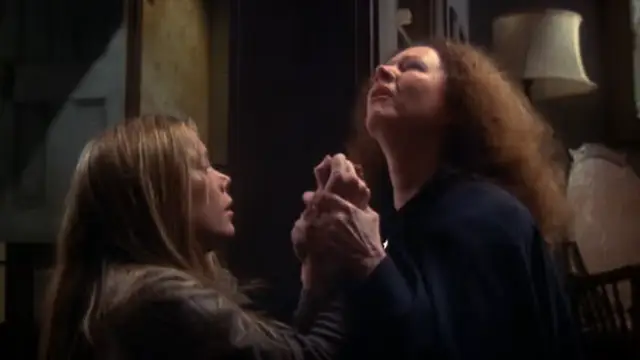
“I should’ve given you to God when you were born, but I was weak and backsliding, and now the Devil has come home. We’ll pray.”
—Margaret White
Carrie (1976)
Terrible Mother Characters
The terrible mother archetype can be found in domineering characters who repress the very people they ought to support. They infantilize, incapacitate, and manipulate vulnerable family members or friends. Terrible mothers are driven by fear or anxiety to keep their loved ones perpetually dependent or ensure their lives unfold according to rigid preconceptions.
Terrible mothers are usually found in the domestic sphere. We see this archetype in overbearing parents who try to control their sons and daughters. Some live vicariously through their children, dictating schedules and demanding perfection. Others infantilize teenage or adult sons and daughters, undermining any attempts at independence. In other cases, this archetype manifests in domineering husbands and wives who subdue and manipulate their spouses. Occasionally, terrible mothers are seen in the social sphere, belittling timid friends or in the workplace, berating and undermining subordinates or colleagues.
Prominent Examples
- Margaret White in Carrie (1976)
- Joan Crawford in Mommie Dearest (1981)
- Aurora Greenway in Terms of Endearment (1983)
- Annie Wilkes in Misery (1990)
- Queen Narissa in Enchanted (2007)
- Mary in Precious (2009)
- Erica Sayers in Black Swan (2010)
- Mother Gothel in Tangled (2010)
- Sonia Kaspbrak in It (2017)
- Ming Lee in Turning Red (2022)
- The Mother in Barbarian (2022)
Definition
The terrible mother archetype is rooted in an anxious, controlling orientation toward relatives or friends, particularly those who are seen as vulnerable or weak-willed.
Dramatic Dimensions
Archetypes are fluid orientations, not rigid types. These are common tendencies and associations—they may or may not apply in any particular case.
Narrative Roles
Motivations
Virtues
Vices
Perceptual Frames
Growth Opportunities
Taxonomy
Mother Variants
The terrible mother archetype is a variant of the broader mother archetype.
Other variants of the mother archetype:
Pairing
- Child: Terrible mothers are often seen manipulating and repressing archetypal child figures.
- Father: Archetypal fathers and terrible mothers might be aligned or adversarial depending on their temperaments.
- Hero: Archetypal heroes and terrible mothers are always enemies.
- Maiden: Archetypal maidens may submit to terrible mothers, but eventually they will resist the repression.
See the whole taxonomy on the archetypes overview page.
Learn more
Volume 2 of The Writer’s Guide to Archetypes: Elemental Dynamics of Character and Drama will feature a deep exploration of the
Terrible Mother
archetype. It’s expected to be available in 2029.
Join the mailing list to stay up to date on the publication date and get discounts and previews.