
Tyrant
Archetype
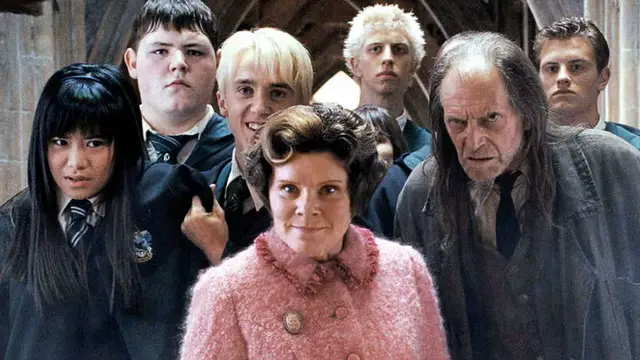
“Because you know, deep down, you deserve to be punished, don’t you, Mr. Potter?”
—Dolores Umbridge
Harry Potter and the Order of the Phoenix (2007)
Tyrant Characters
Archetypal tyrants are figures who possess formal power and who demand total obedience from their subordinates. They enforce oppressive rules via intimidation and coercion. And they find a sadistic or self-righteous satisfaction in persecuting criminals, deviants, or anyone who challenges their authority.
The tyrant archetype typically manifests in executive officers in corporations, governments, and civic and religious organizations. In some cases, they’re low-ranking officers who operate under inattentive or absent superiors. Most tyrants believe they have a special right to wield power, whether by noble birth, intellectual superiority, or moral purity (although these rationales tend to be dubious). Tyrants often feel that their grip on power is precarious, and usually it is. They believe severity is necessary for maintaining order as their problems get out of hand.
Prominent Examples
- Mr. Potter in It’s a Wonderful Life (1946)
- Walter Peck in Ghostbusters (1984)
- Mister (Albert Johnson) in The Color Purple (1985)
- Sheriff of Nottingham in Robin Hood: Prince of Thieves (1991)
- Col. Nathan Jessep in A Few Good Men (1992)
- Claude Frollo in The Hunchback of Notre Dame (1996)
- Dolores Umbridge in Harry Potter and the Order of the Phoenix (2007)
- Col. Miles Quaritch in Avatar (2009)
- Richard Strickland in The Shape of Water (2017)
Definition
The tyrant archetype is rooted in an insecure orientation toward the possession of formal authority. It reflects an impulse to jealously guard formal power and to wield it with self-righteous pride and vindictive cruelty.
Dramatic Dimensions
Archetypes are fluid orientations, not rigid types. These are common tendencies and associations—they may or may not apply in any particular case.
Narrative Roles
Motivations
Virtues
Vices
Perceptual Frames
Growth Opportunities
Taxonomy
Father Variants
The tyrant archetype is a variant of the broader father archetype.
Other variants of the father archetype:
Pairing
- Hero: Tyrants often see archetypal heroes as direct threats to their authority.
- Maiden: An archetypal maiden may try to appease a tyrant but will become a formidable opponent if pushed too far.
- Trickster: Archetypal tricksters often exacerbate the problems that tyrants face and expand the cracks in their bases of power.
See the whole taxonomy on the archetypes overview page.
Learn more
Volume 2 of The Writer’s Guide to Archetypes: Elemental Dynamics of Character and Drama will feature a deep exploration of the
Tyrant
archetype. It’s expected to be available in 2029.
Join the mailing list to stay up to date on the publication date and get discounts and previews.