
King
Archetype
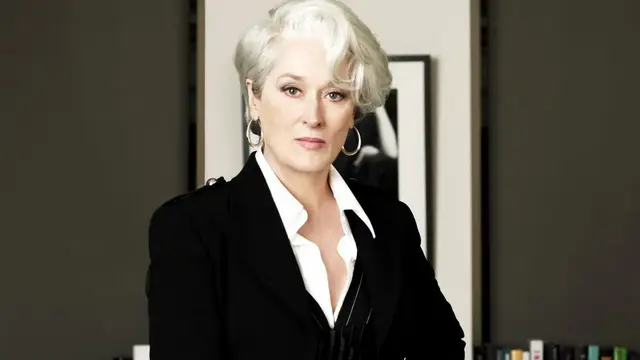
“And make sure we have Pier 59 at 8:00 a.m. tomorrow. And remind Jocelyn I need to see a few of those satchels that Marc is doing in the pony. And then tell Simone I’ll take Jackie if Maggie isn’t available. Did Demarchelier confirm?”
—Miranda Priestly
The Devil Wears Prada (2006)
King Characters
The king archetype manifests in characters who maintain order and stability in domains large enough to require formal rules and the delegation of authority. Despite possessing unchecked sovereignty, they endeavor (unlike archetypal tyrants) to discharge their formal duties diligently, faithfully, and dispassionately.
Many archetypal kings occupy high government offices. They’re mayors, barons, presidents, and prime ministers. They’re sheriffs, judges, police captains, and high-ranking military officers. Other kings hold executive offices in corporations, schools, churches, and other organizations.
Prominent Examples
- Duke Leto Atreides in Dune by Frank Herbert
- King Triton in The Little Mermaid (1989)
- Mufasa in The Lion King (1994)
- Miranda Priestly in The Devil Wears Prada (2006)
- Robert Crawley (Lord Grantham) in Downton Abbey (2010–2015)
- Sandy Burnne in Rebel Ridge (2024)
Definition
The king archetype is rooted in an earnest orientation toward rules, order, and structure from a position of maximal authority and responsibility. It reflects an impulse to maintain order and stability in social arenas through the judicious enforcement of rules and protocols.
Dramatic Dimensions
Archetypes are fluid orientations, not rigid types. These are common tendencies and associations—they may or may not apply in any particular case.
Narrative Roles
Motivations
Virtues
Vices
Perceptual Frames
Growth Opportunities
Taxonomy
Father Variants
The king archetype is a variant of the broader father archetype.
Other variants of the father archetype:
Pairing
- Hero: Archetypal heroes often serve kings, whether directly or indirectly.
- Maiden: Kings and archetypal maidens see eye to eye on very little, but their differences can produce balanced relationships.
- Mother: An archetypal mother might complement a king in making decisions or challenge him directly as a powerful adversary.
- Trickster: Archetypal tricksters can reveal latent problems in the institutions that kings oversee.
See the whole taxonomy on the archetypes overview page.
Learn more
Volume 2 of The Writer’s Guide to Archetypes: Elemental Dynamics of Character and Drama will feature a deep exploration of the
King
archetype. It’s expected to be available in 2029.
Join the mailing list to stay up to date on the publication date and get discounts and previews.