
Beast
Archetype
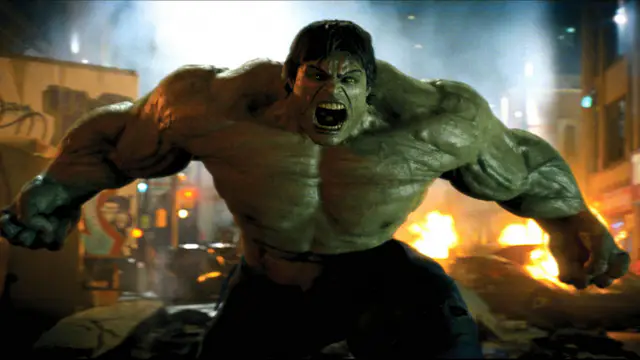
“Hulk smash!”
—Hulk
The Incredible Hulk (2008)
Beast Characters
Archetypal beasts are crude figures who act on instinct and raw emotion. They’re paired with characters who are disciplined, educated, and cultured, if not altogether uptight. Beast characters symbolize the unrefined, animal urges of their highly repressed or excessively erudite counterparts.
The beast archetype often manifests in fantastical creatures, many of whom are more intelligent than mere animals. They possess at least a degree of moral agency. When the archetype is expressed in human characters, they tend to be marked by some distinct physical anomaly or otherwise by the bizarre or vulgar way they dress and carry themselves, representing their primal savagery. Whether human or animal, archetypal beasts are intimidating figures. They are not usually malicious. Even so, they’re eminently capable of violence and likely prone to aggressive outbursts when provoked.
Prominent Examples
- Edward Hyde (with Henry Jekyll) in Strange Case of Dr Jekyll and Mr Hyde by Robert Louis Stevenson
- The Primal Man (with Eddie Jessup) in Altered States (1980)
- Hank Evans (with Charlie Baileygates) in Me, Myself, and Irene (2000)
- Kong (with Carl Denham) in King Kong (2005)
- Hulk (with Bruce Banner) in The Incredible Hulk (2008)
- The Amphibian Man (with Richard Strickland) in The Shape of Water (2017)
- Count Orlok (with Thomas Hutter) in Nosferatu (2024)
Definition
The beast archetype corresponds to the instinctual side of human nature and behaviors that are considered crude, irrational, or uncivilized. It reflects those natural impulses that must be restrained, regulated, or sublimated for people to live in peaceful, well-ordered societies.
Dramatic Dimensions
Archetypes are fluid orientations, not rigid types. These are common tendencies and associations—they may or may not apply in any particular case.
Narrative Roles
Motivations
Virtues
Vices
Perceptual Frames
Growth Opportunities
Taxonomy
Shadow Variants
The beast archetype is a variant of the broader shadow archetype.
Other variants of the shadow archetype:
Pairing
- Father: Beasts often symbolize the bodily urges that archetypal fathers denounce as unrefined or barbaric.
- Hero: A beast can reflect the raw impulses that a sophisticated hero suppresses or sublimates.
- Maiden: A beast can symbolize the sexual or violent desires that an archetypal maiden denies because they’re unbecoming.
See the whole taxonomy on the archetypes overview page.
Learn more
Volume 3 of The Writer’s Guide to Archetypes: Elemental Dynamics of Character and Drama will feature a deep exploration of the
Beast
archetype. It’s expected to be available in 2030.
Join the mailing list to stay up to date on the publication date and get discounts and previews.