
Fool
Archetype
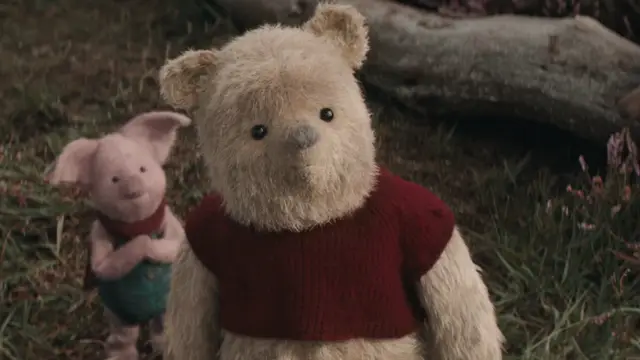
“People say nothing is impossible. But I do nothing every day.”
—Winnie the Pooh
Christopher Robin (2018)
Fool Characters
Archetypal fools approach the world with a child-like curiosity and sense of wonder. They’re not necessarily dumb, but they usually lack formal education. In any case, they haven’t adopted the beliefs and prejudices of the people around them. Fools are able, then, to spot the contradictions in popular notions that their peers take for granted. They question widely held assumptions and posit counterintuitive insights.
Fools are easy-going, unpretentious, and unambitious. They are typically good-natured and make themselves comfortable wherever they are. While not especially indulgent, fools take the time to enjoy the simple pleasures in life: a beautiful sunset, a tasty meal, and the companionship of a good friend.
Fools are frequent beneficiaries of good luck. If fortune favors the bold, then simple good luck favors those who aren’t too caught up in their own thoughts, plans, and presumptions to notice an unexpected opportunity.
Prominent Examples
- Chance (a.k.a. Chauncey Gardiner) in Being There (1979)
- Forrest Gump in Forrest Gump (1994)
- Norville Barnes in The Hudsucker Proxy (1994)
- The Dude in The Big Lebowski (1998)
- Peter Gibbons in Office Space (1999)
- Pippin Took in The Lord of the Rings films (2001, 2002, 2003)
- Winnie the Pooh in Christopher Robin (2018)
- Todd Chavez in BoJack Horseman (2014–2020)
Definition
The fool archetype is rooted in a simple, abiding orientation to the world that’s free of prejudice and presumption. It reflects the reality that a person’s own beliefs and attachments often stand in the way of insight and happiness.
Dramatic Dimensions
Archetypes are fluid orientations, not rigid types. These are common tendencies and associations—they may or may not apply in any particular case.
Narrative Roles
Motivations
Virtues
Vices
Perceptual Frames
Growth Opportunities
Taxonomy
Trickster Variants
The fool archetype is a variant of the broader trickster archetype.
Other variants of the trickster archetype:
See the whole taxonomy on the archetypes overview page.
Learn more
Volume 2 of The Writer’s Guide to Archetypes: Elemental Dynamics of Character and Drama will feature a deep exploration of the
Fool
archetype. It’s expected to be available in 2029.
Join the mailing list to stay up to date on the publication date and get discounts and previews.