
Trickster
Archetype
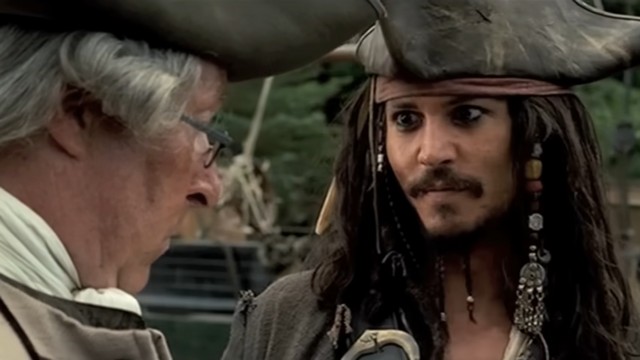
“I’m dishonest, and a dishonest man you can always trust to be dishonest. Honestly. It’s the honest ones you want to watch out for, because you can never predict when they’re going to do something incredibly stupid.”
—Captain Jack Sparrow
The Pirates of the Caribbean: The Curse of the Black Pearl (2003)
Trickster Characters
Archetypal tricksters are unpredictable figures. They frequently ignore or eschew the popular beliefs of their respective cultural milieus. They find little use in theories, hierarchies, plans, and protocols. And they’re inclined to find and point out gaps and contradictions between abstract ideas and facts on the ground. Tricksters are alive to the present moment and attentive to their surroundings. They notice little things that other people overlook. Tricksters often symbolize playfulness, spontaneity, flexibility, and transgression.
Tricksters come in a wide variety of forms, from joke-tellers to artists to deviants to revolutionaries. They’re usually outsiders with little interest in (or an outright hostility to) institutional authority and orthodoxy.
Prominent Examples
- Zhuangzi in Chinese mythology
- Dionysus (Bacchus) in classical mythology
- R. P. McMurphy in One Flew Over the Cuckoo’s Nest (1975)
- Howard Beale in Network (1976)
- Wolfgang Amadeus Mozart in Amadeus (1984)
- Bart Simpson in The Simpsons (1989–)
- Jack Sparrow in The Pirates of the Caribbean: The Curse of the Black Pearl (2003)
- Toph in Avatar: The Last Airbender (2005–2008)
- Huey Freeman in The Boondocks (2005–2014)
Definition
The trickster archetype is rooted in a receptive and responsive orientation toward perception and subjective experience. It reflects our impulse to rely on direct observation and intuition over the authority of tradition, convention, or expert knowledge.
Dramatic Dimensions
Archetypes are fluid orientations, not rigid types. These are common tendencies and associations—they may or may not apply in any particular case.
Narrative Roles
Motivations
Virtues
Vices
Perceptual Frames
Growth Opportunities
Taxonomy
Trickster Variants
- Fool: A carefree trickster who is unschooled (or uninterested) in common sense, accepted truths, and social conventions
- Jester: A trickster who is allergic to seriousness and boredom
- Mystic: A trickster who spots signs and synchronicities in their surroundings or who attends to visions, voices, or subtle feelings
- Provocateur: A trickster who’s preoccupied with pushing people’s buttons, so to speak
- Tempter: A trickster who uses temptation and seduction to manipulate others
See the whole taxonomy on the archetypes overview page.
Learn more
Volume 2 of The Writer’s Guide to Archetypes: Elemental Dynamics of Character and Drama will feature a deep exploration of the
Trickster
archetype. It’s expected to be available in 2029.
Join the mailing list to stay up to date on the publication date and get discounts and previews.