
Shadow
Archetype
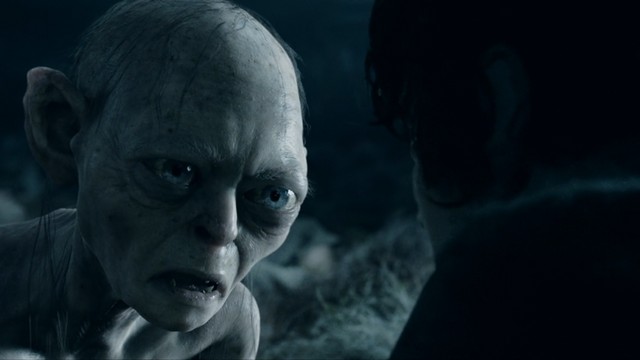
“You were not so very different from a hobbit once, were you? Smeagol.”
—Frodo Baggins
The Lord of the Rings: The Two Towers (2002)
Shadow Characters
Every archetypal shadow shares a special connection with another character: the figure who casts the shadow, so to speak. In some cases, though, the two are one: the shadow is an alter-ego, a split personality, or a schizophrenic voice. The Incredible Hulk is Bruce Banner’s shadow, for instance.
Archetypal shadows reflect aspects of their counterparts’ personalities that have been suppressed or repressed. They portend who those other characters were, are, or could become. Shadows typically represent vice, moral weakness, compulsion, and short-sightedness. But the shadow archetype is not inherently bad. Accordingly, some shadow characters are portrayed in neutral or positive terms.
Shadow characters typically share some resemblance with their counterparts. They might be siblings or cousins. Otherwise, they might have similar backgrounds, personalities, or aspirations. Little more can be said about shadow characters generally except that they are usually less inhibited than their counterparts.
Prominent Examples
- Gollum (with Frodo Baggins) in The Lord of the Rings books by J. R. R. Tolkien
- Stanley’s masked alter-ego (with Stanley Ipkiss) in The Mask (1994)
- Tyler Durden (with the Narrator) in Fight Club (1999)
- Jennifer Check (with Needy Lesnicki) in Jennifer’s Body (2009)
- Lily (with Nina Sayers) in Black Swan (2010)
- Richard Parker (with Pi) in Life of Pi (2012)
- Red (with Adelaide Wilson) in Us (2019)
- Meilin’s panda form (with Meilin) in Turning Red (2022)
- Oswald (with Edward) in A Different Man (2024)
Definition
The shadow archetype corresponds to all those aspects of the self that the ego wants to avoid. It’s the desires that are denied, the thoughts that are disowned, and the feelings that are held back or shoved deep down. Whatever aspects of ourselves we deny will be more apparent to us in our perceptions of other people. The shadow is associated with inhibition, denial, self-deception, self-doubt, self-criticism, and self-sabotage.
Taxonomy
Shadow Variants
- Beast: A barbaric shadow reflecting the wild impulses of an inhibited or repressed counterpart
- Demon: A shadow who represents evil and temptation
- Golden Shadow: A shadow who represents an aspirational ideal for their counterpart
Pairing
Shadow characters usually mirror the archetypal patterns of their respective counterparts. For example, a shadow character may double as an archetypal hero if paired with a hero character.
Learn more
Volume 3 of The Writer’s Guide to Archetypes: Elemental Dynamics of Character and Drama will feature a deep exploration of the
Shadow
archetype. It’s expected to be available in 2029.
Join the mailing list to stay up to date on the publication date and get discounts and previews.