
Mother
Archetype
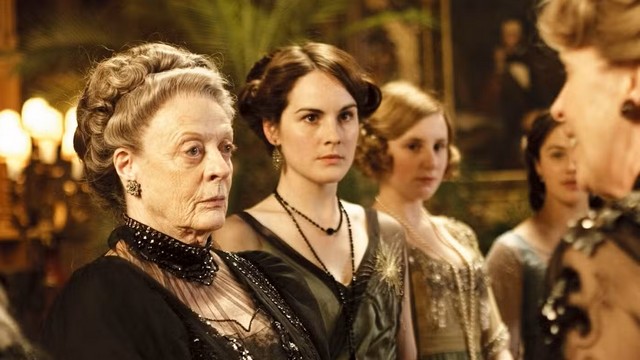
“There can be too much truth in any relationship.”
—Violet Crawley
Downton Abbey (2010–2015)
Mother Characters
Archetypal mothers are responsible for supporting and protecting their homes and their tribes (i.e., their families, communities, teams, or other groups of affiliation). They typically feel a duty to honor their heritage and keep it alive. Mother characters often symbolize the value and the perils of familial bonds, tribalism, tradition, and territoriality.
The mother archetype often appears in nurses, social workers, school teachers, community organizers, and matriarchal figures within nuclear or extended families. In these cases, mother characters wield informal power, relying on interpersonal skills, political savvy, and social capital to achieve their goals. Even when archetypal mothers occupy positions of institutional authority, they tend to employ official power only as a last resort.
Prominent Examples
- Jessica Atreides in Dune by Frank Herbert
- Don Vito Corleone in The Godfather (1972)
- Magneto in X-Men (2000)
- Helen Parr (Elastigirl) in The Incredibles (2005)
- Father Flynn in Doubt (2008)
- Mary Lee Johnston in Precious (2009)
- Shirley Bennett in Community (2009–2015)
- Violet Crawley, Dowager Countess of Grantham in Downton Abbey (2010–2015)
- Fiona Gallagher in Shameless (2011–2021)
- Cersei Lannister in Game of Thrones (2011–2019)
Definition
The mother archetype springs from an orientation toward the systems and cycles that sustain life. We are inextricably embedded in social networks (family and community), in place (geography and environment), and in time (heritage and history). And as adults, we are responsible for maintaining our social networks, stewarding our environment, and handing down our traditions to future generations.
Dramatic Dimensions
Archetypes are fluid orientations, not rigid types. These are common tendencies and associations—they may or may not apply in any particular case.
Narrative Roles
Motivations
Virtues
Vices
Perceptual Frames
Growth Opportunities
Taxonomy
Mother Variants
- Caregiver: A nurturing mother who supports another person, typically a child or someone in need
- Dragon: A ruthless mother figure bent on vengeance or destruction
- Earth Mother: A divine variant of the mother archetype who represents the material world and the circle of life
- Martyr: A mother who seeks pity and uses guilt and shame to manipulate others
- Queen: A mother whose primary role is administering collective resources
- Terrible Mother: A mother who clings to her maternal role and the status quo, preventing those in her care from growing
Pairing
- Child: Mother characters are often responsible for the care and guidance of archetypal child figures.
- Hero: Archetypal heroes represent individuality and independence, whereas mothers represent family, community, and interdependence.
- Father: Archetypal fathers are often aligned with mother characters until a choice is forced between loyalties and principles.
- Maiden: Mother characters tend to see archetypal maidens as insufficiently loyal and deferential if not direct threats to their power and position.
Learn more
Volume 2 of The Writer’s Guide to Archetypes: Elemental Dynamics of Character and Drama will feature a deep exploration of the
Mother
archetype. It’s expected to be available in 2028.
Join the mailing list to stay up to date on the publication date and get discounts and previews.