
Ice Queen
Archetype
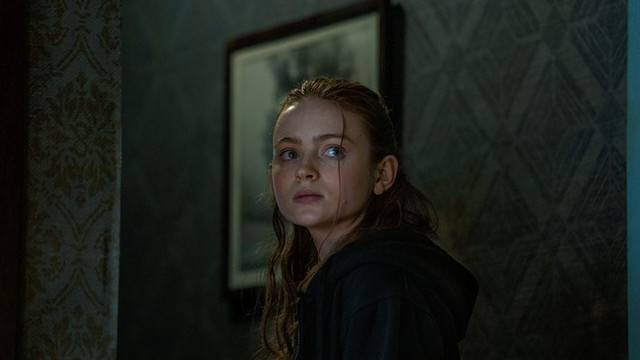
“You know, it’s so easy to make you uncomfortable, it’s—honestly, it’s a little sad.”
—Ellie
The Whale (2022)
Ice Queen Characters
Archetypal ice queens are social porcupines. They avoid human connection, even though, deep down, they crave it. Ice queens either don’t trust other people or they don’t trust themselves when they get close to other people. In any case, they avoid intimacy and emotional vulnerability. They typically symbolize the emotional scars that linger after being betrayed or abandoned by a dear friend, relative, or lover.
Some ice queens maintain their emotional distance by being combative or obnoxious. Others are moody and fickle. They might enter into friendships or romances optimistically, only to become increasingly anxious as the bonds grow stronger. Eventually, they’ll run away or sabotage the relationship when they can no longer handle the emotional pressure.
Prominent Examples
- Marla Singer in Fight Club by Chuck Palahniuk
- Kat Stratford in 10 Things I Hate About You (1999)
- Marie D’Ancanto (Rogue) in X-Men (2000)
- Elsa in Frozen (2013)
- Cassie Thomas in Promising Young Woman (2020)
- Ellie in The Whale (2022)
Definition
The ice queen archetype reflects an avoidant orientation toward close relationships and a heightened sensitivity to the risks of intimacy and emotional vulnerability. It reflects the risks we take when we choose to share ourselves with another person.
Dramatic Dimensions
Archetypes are fluid orientations, not rigid types. These are common tendencies and associations—they may or may not apply in any particular case.
Narrative Roles
Motivations
Virtues
Vices
Perceptual Frames
Growth Opportunities
Taxonomy
Learn more
Dive deeper into the
Ice Queen
archetype in my upcoming book, The Writer’s Guide to Archetypes: Elemental Dynamics of Character and Drama — Volume 1, expected in late 2026.
Join the mailing list to stay up to date on the publication date and get discounts and previews.