
Warrior
Archetype
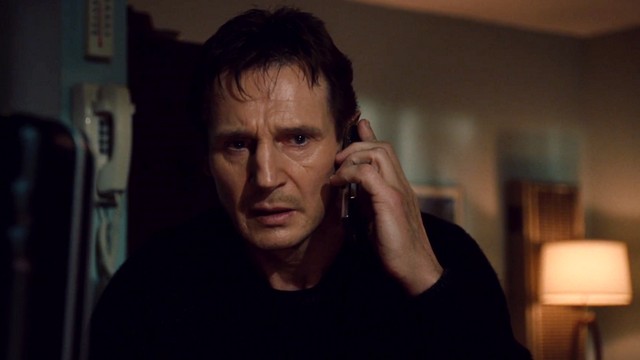
“If you let my daughter go now, that’ll be the end of it. I will not look for you. I will not pursue you. But if you don’t, I will look for you. I will find you. And I will kill you.”
—Bryan Mills
Taken (2008)
Warrior Characters
Warriors approach obstacles head-on. They employ simple, pragmatic strategies, skillful effort, direct force, and sheer persistence to overcome obstacles and progress toward their objectives. Warriors symbolize the value of determination, discipline, and perseverance in the pursuit of difficult goals. They also symbolize the value of skills that have been highly developed through intense training and refined through endless hours of practice.
Archetypal warriors are typically courageous, confident, confrontational, and competitive. Some are literally men and women of violence who battle against fierce enemies. Others compete against formidable opponents in sports, business, and other arenas.
Prominent Examples
- Beowulf in Beowulf
- Rocky Balboa in Rocky (1976)
- Maximus in Gladiator (2000)
- Prince Zuko in Avatar: The Last Airbender (2005–2008)
- Bryan Mills in Taken (2008)
- Kratos in the God of War video game series
- Deadpool in Deadpool (2016)
Definition
The warrior archetype is rooted in a simple, straightforward orientation toward difficult obstacles in the pursuit of long-term goals. It inspires us to tackle problems by identifying a straightforward path to success and approaching each step with maximum focus and effort.
Dramatic Dimensions
Archetypes are fluid orientations, not rigid types. These are common tendencies and associations—they may or may not apply in any particular case.
Narrative Roles
Motivations
Virtues
Vices
Perceptual Frames
Growth Opportunities
Taxonomy
Pairing
- Child: Warriors’ quests often involve rescuing or protecting archetypal child figures.
- Father: Archetypal father characters can be formidable antagonists who wield institutional power.
- Mother: Archetypal mothers often play the antagonist role for warriors.
- Shadow: Many warriors face off against archetypal shadows in head-to-head competition.
Learn more
Dive deeper into the
Warrior
archetype in my upcoming book, The Writer’s Guide to Archetypes: Elemental Dynamics of Character and Drama — Volume 1, expected in late 2026.
Join the mailing list to stay up to date on the publication date and get discounts and previews.