
Outlaw
Archetype
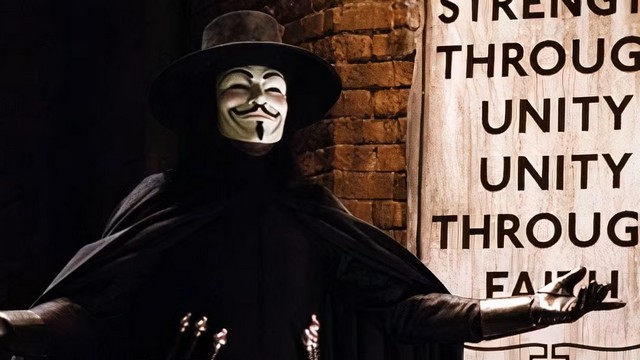
“He promised you order. He promised you peace. And all he demanded in return was your silent, obedient consent.”
—V
V for Vendetta (2005)
Outlaw Characters
Archetypal outlaws struggle against systems of power that they perceive as oppressive. They endeavor to liberate themselves and/or their allies from persecution or confinement. Or they fight to overthrow leaders they believe are corrupt or cruel. Outlaws symbolize liberty, autonomy, and individuality.
Some outlaw characters see themselves as revolutionaries and freedom fighters. Others would just as well mind their own business, but they get pulled into quickly escalating conflicts when they’re persecuted by authorities or when they refuse to comply with onerous rules or edicts.
Prominent Examples
- Billie Jean in The Legend of Billie Jean (1985)
- Robin of Locksley in Robin Hood: Prince of Thieves (1991)
- Neo in The Matrix Reloaded (2003)
- V in V for Vendetta (2005)
- Django in Django Unchained (2012)
- Max in Mad Max: Fury Road (2015)
- Newton Knight in The Free State of Jones (2016)
- Paul Atreides in Dune: Part Two (2024)
- Terry Richmond in Rebel Ridge (2024)
Definition
The outlaw archetype is rooted in an orientation toward freedom as an ideal that must be pursued or protected. It inspires us to demand liberty and fight back against abuses of power, even if the odds are against us.
Dramatic Dimensions
Archetypes are fluid orientations, not rigid types. These are common tendencies and associations—they may or may not apply in any particular case.
Narrative Roles
Motivations
Virtues
Vices
Perceptual Frames
Growth Opportunities
Taxonomy
Pairing
- Animum: Some outlaws are inspired to action (or distraction) by animum figures.
- Father: The adversaries of outlaws are usually archetypal father figures who wield institutional power and represent formal authority.
- Mother: On occasion, the primary antagonist of an outlaw character is an archetypal mother who represents a more traditional, tribal manifestation of authority.
- Shadow: Archetypal shadows can represent nuanced thematic opposition to outlaws. They may also represent a vicious (or virtuous) enactment of a rebellious attitude.
Learn more
Dive deeper into the
Outlaw
archetype in my upcoming book, The Writer’s Guide to Archetypes: Elemental Dynamics of Character and Drama — Volume 1, expected in late 2026.
Join the mailing list to stay up to date on the publication date and get discounts and previews.