
Victim
Archetype
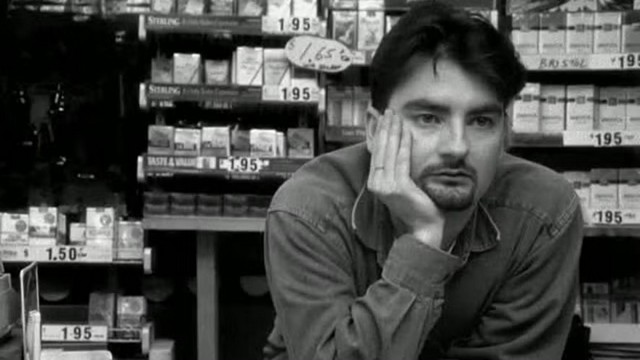
“I’m not even supposed to be here today!”
—Dante Hicks
Clerks (1994)
Victim Characters
Whether or not they’ve suffered genuine traumas or injustices, archetypal victims believe they’ve been dealt a losing hand in the game of life. They’re not willing to make the sacrifices and take the risks required for any real hope of change. Victims represent our natural desire to avoid responsibility for our lives and accountability for our choices.
Victim characters are typically adults, teenagers at the youngest. They’re old enough to take care of themselves. And in many cases, they have access to resources and allies who are willing to help. But victims lack the courage, confidence, initiative, or discipline to take charge.
Prominent Examples
- Emma Bovary in Madame Bovary by Gustave Flaubert
- Cameron Frye in Ferris Bueller’s Day Off (1986)
- Dante Hicks in Clerks (1994)
- Jerry Lundegaard in Fargo (1996)
- Selby Wall in Monster (2003)
- Jerry Smith in Rick and Morty (2013–)
- Michael Stone in Anomalisa (2015)
- Arthur Fleck in Joker (2019)
- Beau Wasserman in Beau Is Afraid (2023)
- Donnie Dunn in Baby Reindeer (2024–2024)
Definition
The victim archetype is rooted in a pessimistic or fatalistic orientation toward goals and aspirations. It’s associated with feelings of impotence and despair.
Dramatic Dimensions
Archetypes are fluid orientations, not rigid types. These are common tendencies and associations—they may or may not apply in any particular case.
Narrative Roles
Motivations
Virtues
Vices
Perceptual Frames
Growth Opportunities
Taxonomy
Child Variants
The victim archetype is a variant of the broader child archetype.
Other variants of the child archetype:
Pairing
- Hero: Archetypal heroes present a strong thematic contrast to victims.
- Father: Victim characters typically see archetypal fathers as uncaring and/or oppressive.
- Maiden: Victim characters may find empathy or support from archetypal maidens.
- Mother: Archetypal mothers can either enable irresponsible behavior and/or undermine victims’ attempts at autonomy.
Learn more
Dive deeper into the
Victim
archetype in my upcoming book, The Writer’s Guide to Archetypes: Elemental Dynamics of Character and Drama — Volume 1, expected in late 2026.
Join the mailing list to stay up to date on the publication date and get discounts and previews.