
Child
Archetype
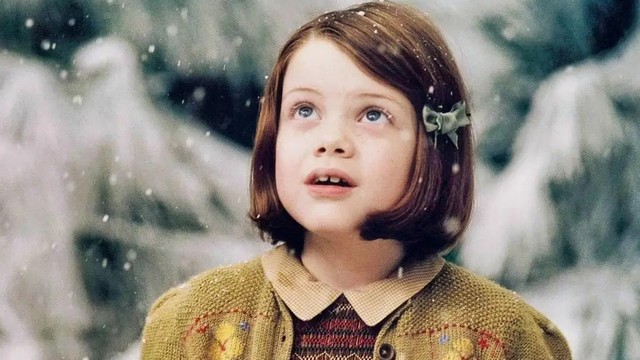
“Narnia! It’s all in the wardrobe just like I told you!”
—Lucy Pevensie
The Chronicles of Narnia: The Lion, the Witch and the Wardrobe (2005)
Child Characters
Archetypal child characters rely on others for support, protection, or guidance. Most are powerless to fulfill their own basic needs. Others lack the initiative or confidence to take responsibility for themselves. Occasionally, an archetypal child would be self-reliant but for an overbearing parent or some other oppressive force. Child characters often symbolize innocence, faith, hope, and the future.
Archetypal child figures are typically boys and girls of various ages. But adults can play this role too. We primarily see this archetype in grown-ups when they’re incapacitated by illness or injury or when they behave childishly and refuse to take responsibility for their decisions.
Prominent Examples
- Oliver Twist in Oliver Twist by Charles Dickens
- Lennie Small in Of Mice and Men by John Steinbeck
- Pinocchio in Pinocchio (1940)
- Lucy Pevensie in The Lion, the Witch, and the Wardrobe by C. S. Lewis
- Regan MacNeil in The Exorcist (1973)
- Annie in Annie (1982)
- Elliott Taylor in E.T. the Extra-Terrestrial (1982)
- The Schofield Kid in Unforgiven (1992)
- Russell in Up (2009)
- Morty Smith in the early seasons of Rick and Morty (2013–)
Definition
The child archetype is rooted in vulnerability and deficiencies in knowledge, ability, agency, and confidence. It’s the archetype of unmanifest potential. It impels us to recognize the limits of our knowledge and abilities and to ask for help when we need it.
Dramatic Dimensions
Archetypes are fluid orientations, not rigid types. These are common tendencies and associations—they may or may not apply in any particular case.
Narrative Roles
Motivations
Virtues
Vices
Perceptual Frames
Growth Opportunities
Taxonomy
Child Variants
- Apprentice: A child who must trust a teacher to gain valuable skills or knowledge
- Divine Child: A child figure defined by extraordinary potential
- Eternal Child: An adult who possesses the carefree disposition of a child and somehow evades accountability
- Orphan: A reasonably self-reliant child who’s learned not to trust other people
- Victim: A child figure characterized by a disempowered, fatalistic attitude and a sense of self-pity
Learn more
Dive deeper into the
Child
archetype in my upcoming book, The Writer’s Guide to Archetypes: Elemental Dynamics of Character and Drama — Volume 1, expected in late 2026.
Join the mailing list to stay up to date on the publication date and get discounts and previews.