
Animum
Archetype
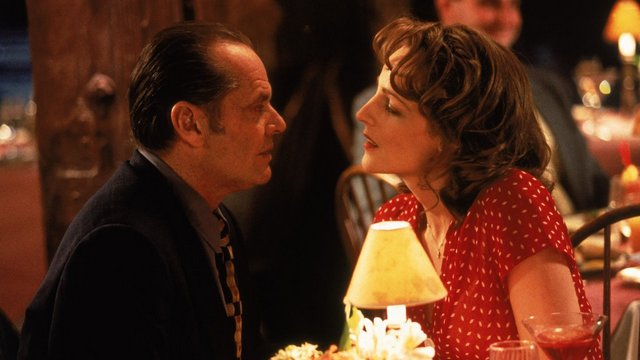
“You make me want to be a better man.”
—Melvin Udall
As Good as It Gets (1997)
Animum Characters
Animus and anima are masculine and feminine terms respectively that can be seen as two sides of a single underlying pattern. The gender-neutral term, animum, includes both aspects and applies to cases where gender distinctions are ambiguous, insignificant, or inapplicable.
Every animum character is necessarily linked to another character. The animum is the yang to that other’s yin or the yin to their yang. In most cases, animum figures are the romantic interests of their counterparts, but not always. Sometimes, they are friends or relatives. It’s not uncommon to find the archetype in mother–son, father–daughter, or brother–sister relationships (and in case it needs to be stated, nothing untoward is implied by the archetypal connection).
Animum characters have personalities that contrast with and complement their counterparts. They are cool and calm, for example, if paired with moody and impulsive counterparts, or they’re adventurous if paired with characters who are anxious or timid. The contrasting dispositions reflect a fundamental distinction in how these paired characters perceive the world. In every case, the animum presents an opposing perspective which can be in turns fascinating and frustrating to the paired character. The animum signifies a potential for the counterpart to see the world in a new way.
Prominent Examples
- Juliet (with Romeo) in Romeo and Juliet by William Shakespeare
- Mr. Darcy (with Elizabeth Bennet) in Pride and Prejudice by Jane Austen
- Ilsa Lund (with Rick Blaine) in Casablanca (1942)
- Chani (with Paul Atreides) in Dune by Frank Herbert
- Annie (with Daddy Warbucks) in Annie (1982)
- Johnny Castle (with Baby) in Dirty Dancing (1987)
- Prince Eric (with Ariel) in The Little Mermaid (1989)
- Carol Connelly (with Melvin Udall) in As Good as It Gets (1997)
- Trinity (with Neo) in The Matrix (1999)
- Buddy (with Jovie) in Elf (2003)
- Kevin Doyle (with Jane Nichols) in 27 Dresses (2008)
- Tashi Donaldson (with Patrick Zweig) in Challengers (2024)
Definition
The animum archetype corresponds to that which is mysterious but familiar in some oblique, unconscious way. It reflects a tendency to recognize (typically in another person) capacities within the self that are undeveloped and, on a conscious level, appear novel or foreign.
Taxonomy
Animum Variants
- Bad Boy: An animum who represents personal empowerment and liberty to a counterpart who is passive, anxious, or inhibited
- Knight: An animum who reflects constancy, prudence, and self-restraint paired with a counterpart who is unstable, fickle, or histrionic
- Princess: A compassionate, emotionally intelligent animum paired with a counterpart who is aloof, callous, or cynical
- Shapeshifter: A mysterious animum figure whose nature diverges greatly from a first impression
- Wild Woman: An animum who represents sensuality, passion, and excitement to a counterpart who’s uptight or stuck in a rut
Pairing
When their counterparts are other archetypal figures, animum characters tend to inhabit an opposing archetypal role (in addition to the animum role). When paired with archetypal maidens, mothers, or tricksters, animum figures often double as fathers or heroes. And when paired with archetypal fathers or heroes, animum figures tend to also be maidens, mothers, or tricksters.
Learn more
Volume 3 of The Writer’s Guide to Archetypes: Elemental Dynamics of Character and Drama will feature a deep exploration of the
Animum
archetype. It’s expected to be available in 2029.
Join the mailing list to stay up to date on the publication date and get discounts and previews.