
Tempter
Archetype
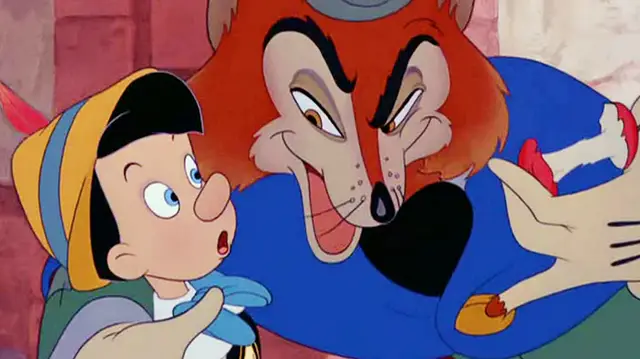
“School? Ah yes. Then you haven’t heard of the easy road to success.”
—Honest John
Pinocchio (1940)
Tempter Characters
Archetypal tempters see other people as bundles of desires, compulsions, fears, and insecurities. And they exploit the emotions of others for their own advantage or amusement. Tempters employ charm, flattery, seduction, deception, and distraction to manipulate the people they encounter. They often symbolize a lack of discipline or moral fortitude in their marks.
The tempter archetype is most often seen in con men and femmes fatales. In religious or mythological narratives, it takes the form of devils and demons who attempt to divert innocent people from the righteous path.
Prominent Examples
- Marquise Isabelle de Merteuil in Les Liaisons Dangereuses by Pierre Choderlos de Laclos
- Mephistopheles in Faust by Johann Wolfgang von Goethe
- Grushenka in The Brothers Karamazov by Fyodor Dostoevsky
- Honest John in Pinocchio (1940)
- Brigid O’Shaughnessy in The Maltese Falcon (1941)
- Frank in Hellraiser (1987)
- Daryl Van Horne in The Witches of Eastwick (1987)
- Catherine Tramell in Basic Instinct (1992)
- Kathryn Merteuil in Cruel Intentions (1999)
- Anna Delvey in Inventing Anna (2022–2022)
Definition
The tempter archetype arises from a sardonic and opportunistic orientation toward the emotions of other people. It reflects an impulse to manipulate others for our personal benefit. It also reflects a desire to excuse one’s own moral failings by demonstrating the immorality of others.
Dramatic Dimensions
Archetypes are fluid orientations, not rigid types. These are common tendencies and associations—they may or may not apply in any particular case.
Narrative Roles
Motivations
Virtues
Vices
Perceptual Frames
Growth Opportunities
Taxonomy
Trickster Variants
The tempter archetype is a variant of the broader trickster archetype.
Other variants of the trickster archetype:
See the whole taxonomy on the archetypes overview page.
Learn more
Volume 2 of The Writer’s Guide to Archetypes: Elemental Dynamics of Character and Drama will feature a deep exploration of the
Tempter
archetype. It’s expected to be available in 2029.
Join the mailing list to stay up to date on the publication date and get discounts and previews.