
Virgin
Archetype
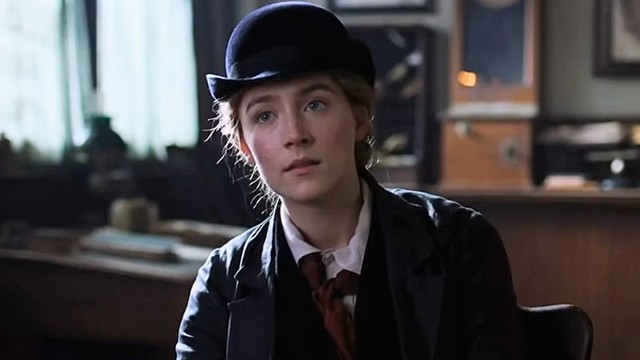
“Women, they have minds, and they have souls, as well as just hearts. And they’ve got ambition, and they’ve got talent, as well as just beauty. I’m so sick of people saying that love is all a woman is fit for.”
—Jo March
Little Women (2019)
Virgin Characters
The virgin archetype can be found in characters who follow their own passions and aspirations while still trying to maintain bonds of family and friendship. They often face pressure to set aside their personal interests in order to support their loved ones. Or they’re asked to preserve their family honor by conforming to cultural ideals that they find intolerable.
Virgin characters are typically teenagers or young adults who live at home and navigate difficult relationships with strict or needy parents who have very particular ideas of who the virgins are supposed to be, how they are to behave, and whom they are to associate with. But virgins don’t like being boxed in or told what to do. They have their own ideas of who they are and the sorts of lives they want to live.
Prominent Examples
- Artemis (or Diana) in classical mythology
- Jo March in Little Women by Louisa May Alcott
- Jess Kaur Bhamra in Bend It Like Beckham (2002)
- Merida in Brave (2012)
- Bella Baxter in Poor Things (2023)
- Barbie in Barbie (2023)
It has nothing to do with sex
When discussing archetypes, the term virgin has nothing to do with sexual virginity. Throughout much of history and still in some parts of the world, daughters have been treated as the property of their fathers and wives as the property of their husbands. In such circumstances, a virgin woman might be seen as independent and in charge of her own affairs. It’s from this historical context that the archetypal term is derived.
Definition
The virgin archetype is rooted in a self-assured and resistant orientation toward friends, relatives, and elders. It motivates us to set firm personal boundaries so that our commitments to friends and family don’t impinge on our self-interest and desire for self-actualization.
Dramatic Dimensions
Archetypes are fluid orientations, not rigid types. These are common tendencies and associations—they may or may not apply in any particular case.
Narrative Roles
Motivations
Virtues
Vices
Perceptual Frames
Growth Opportunities
Taxonomy
Maiden Variants
The virgin archetype is a variant of the broader maiden archetype.
Other variants of the maiden archetype:
Pairing
- Animus/Anima: Archetypal animum figures often introduce or catalyze drama in the lives of virgin characters.
- Father: To virgins, archetypal fathers may represent impartiality or oppressive rules.
- Mother: Archetypal mothers tend to represent regression or oppression to virgin characters.
See the whole taxonomy on the archetypes overview page.
Learn more
Dive deeper into the
Virgin
archetype in my upcoming book, The Writer’s Guide to Archetypes: Elemental Dynamics of Character and Drama — Volume 1, available in 2027.
Join the mailing list to stay up to date on the publication date and get discounts and previews.