
Hero
Archetype
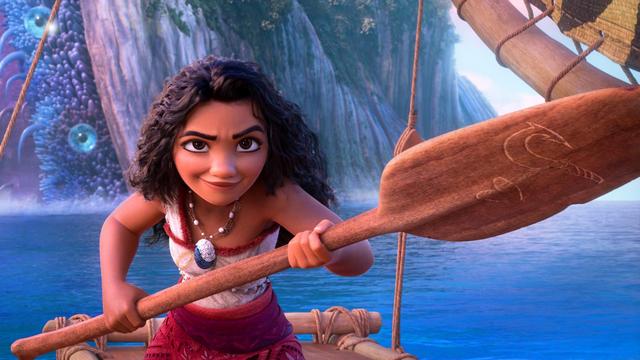
“If the wind in my sail on the sea stays behind me
One day I’ll know how far I’ll go”
—Moana
Moana (2016)
Hero Characters
Archetypal heroes are goal-oriented. They pursue ambitious objectives with strategy and discipline. This makes them ideal protagonists for stories in any medium and genre. And we love to root for them as they struggle against extraordinary adversity.
In colloquial terms, we think of heroes as selfless figures who exhibit remarkable courage. While many archetypal heroes fit neatly into this conception, not all of them do. There’s no rule that archetypal heroes must be admirable and altruistic. And inversely, some characters who might be described as heroic in casual terms do not fit the definition of the hero archetype.
Typical heroes are teenagers and young adults driven by passion or ambition. Heroes frequently encounter outrageous obstacles in their paths. These figures often represent the resilience of the human spirit and the incredible heights to which we all might aspire.
Like all archetypes, the hero is not defined by a set of character traits or attitudes. But there are traits common to most heroes because they’re required for pursuing difficult goals: bravery, dedication, tenacity, resourcefulness, and a willingness to learn.
Prominent Examples
- Captain Ahab in Moby Dick by Herman Melville
- Dorothy in The Wizard of Oz (1939)
- Frodo Baggins in The Lord of the Rings books by J. R. R. Tolkien
- Paul Atreides in Dune by Frank Herbert
- Rocky Balboa in Rocky (1976)
- Ripley in Alien (1979)
- Kyle Reese in The Terminator (1984)
- Clarice Starling in The Silence of the Lambs (1991)
- Ashitaka in Princess Mononoke (1997)
- Moana in Moana (2016)
Tragic Heroes and Antiheroes
In archetypal terms, a hero is somebody on a difficult mission. In most cases, heroes are virtuous figures, if a bit flawed, who pursue admirable goals. But some heroes are deeply flawed, and others are entirely sinister.
We can recognize the hero archetype in tragic characters who fail to overcome their vices and in antiheroes who believe that their goals justify cruelty and violence. We can even see the hero archetype in arch villains who ruthlessly pursue power, vengeance, or other malevolent ends.
Definition
The hero is the archetype of personal empowerment and self-actualization. It’s rooted in an orientation of individual agency and responsibility toward difficult goals. The hero archetype inspires us to pursue grand aspirations and to accept difficult missions when the cause is worthy.
Dramatic Dimensions
Archetypes are fluid orientations, not rigid types. These are common tendencies and associations—they may or may not apply in any particular case.
Narrative Roles
Motivations
Virtues
Vices
Perceptual Frames
Growth Opportunities
Taxonomy
Hero Variants
- Artist: A hero dedicated to creative expression
- Builder: A hero driven to leave their mark on the world
- Lover: A hero whose mission is framed around love for another person
- Outlaw: A hero who fights for liberty against oppression and coercion
- Seeker: A hero in pursuit of something elusive
- Warrior: A hero who uses discipline, direct force, and maximum effort to overcome challenges
Pairing
- Animus/Anima: Animum figures often inspire heroes or distract them from their missions.
- Father: Sometimes, heroes and archetypal fathers are allies, but more often heroes see fathers as stiff and unpragmatic, if not oppressive.
- Magician: Many heroes find support and guidance from archetypal magicians.
- Mother: Archetypal mothers often challenge heroes’ ambition, autonomy, and even liberty.
- Shadow: Heroes often encounter shadow figures who represent their past or potential future.
- Trickster: For heroes, archetypal tricksters can make valuable (if unreliable) allies or dangerous adversaries.
See the whole taxonomy on the archetypes overview page.
Learn more
Dive deeper into the
Hero
archetype in my upcoming book, The Writer’s Guide to Archetypes: Elemental Dynamics of Character and Drama — Volume 1, available in 2027.
Join the mailing list to stay up to date on the publication date and get discounts and previews.