
Divine Child
Archetype
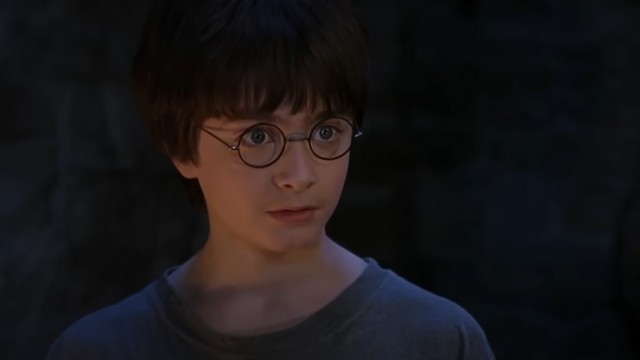
“You’re a wizard, Harry … and thumpin’ good’un I’d wager, once you train up a little.”
—Rubeus Hagrid
Harry Potter and the Sorcerer’s Stone (2001)
Divine Child Characters
Divine child characters are destined for greatness. They are blessed with remarkable, often supernatural, talents (which may or may not be evident from the start). They are metaphorically marked for extraordinary lives by some distinction of their birth or early childhood. Some divine child characters are born on auspicious occasions or under unique circumstances. Others bear meaningful birthmarks. Some are the subjects of prophecy. Others are born to royal parents. Divine child characters typically represent magnificent potential and hope for the future.
When they grow up, divine child characters will accomplish incredible things. Through their efforts and by their examples, they will likely have a transformative impact on their respective societies. But as these characters inhabit the divine child role, they only portend the promise of what’s to come.
The divine child archetype reflects the amazing potential that every child is born with, even if most will never reach the heights of their innate capacities.
Prominent Examples
- Oedipus in Oedipus Rex by Sophocles
- Kal-El as a baby in Superman (1978)
- Elora Danan in Willow (1988)
- Harry Potter in Harry Potter and the Philosopher’s Stone by J. K. Rowling
- Anakin Skywalker in Star Wars: Episode I – The Phantom Menace (1999)
- Rapunzel at the beginning of Tangled (2010)
- Moana in the early scenes of Moana (2016)
The Meaning of the Chosen One
Depending on how the chosen-one trope is interpreted, it might seem to endorse the assertion that some people are categorically superior to others by virtue of their births (whether by genetics, heritage, or divine favor). But by analyzing the trope from an archetypal perspective, it’s clear that this dramatic device is meant to reflect something universal in human psychology. Identification with the divine child figure doesn’t belong to the few; it is the birthright of every person. For any of us to achieve greatness, we must first believe that we have it in us.
Definition
The divine child archetype springs from an aspirational orientation toward the grand possibilities that life holds. It corresponds to the potential for extraordinary achievements that is latent in every person.
Dramatic Dimensions
Archetypes are fluid orientations, not rigid types. These are common tendencies and associations—they may or may not apply in any particular case.
Narrative Roles
Motivations
Virtues
Vices
Perceptual Frames
Right vs wrong
Growth Opportunities
Taxonomy
Child Variants
The divine child archetype is a variant of the broader child archetype.
Other variants of the child archetype:
Pairing
- Father: Divine child characters often appear opposite father characters who represent a waning paradigm.
- Magician: Divine child characters represent extraordinary potential, and they’re often paired with archetypal magicians who represent a concrete manifestation of the same fundamental potential.
- Mother: Archetypal mothers often appear opposite divine child figures, either as nurturing caretakers or repressive adversaries.
See the whole taxonomy on the archetypes overview page.
Learn more
Dive deeper into the
Divine Child
archetype in my upcoming book, The Writer’s Guide to Archetypes: Elemental Dynamics of Character and Drama — Volume 1, available in 2027.
Join the mailing list to stay up to date on the publication date and get discounts and previews.